Why Cocoa Is Still Expensive in 2026 — and What Food Businesses Must Do Differently
Over the last two years, cocoa pricing has been described as a “crisis,” a “shortage,” and a “breaking point” for bakers.
That framing is no longer accurate — but the problem has not disappeared.
In 2026, cocoa is not scarce in the way it was during peak disruption. However, it is structurally more expensive, more volatile, and less predictable than it was for most of the last decade.
For cafés, bakeries, and food businesses, this is no longer a temporary sourcing issue. It is a systems test.
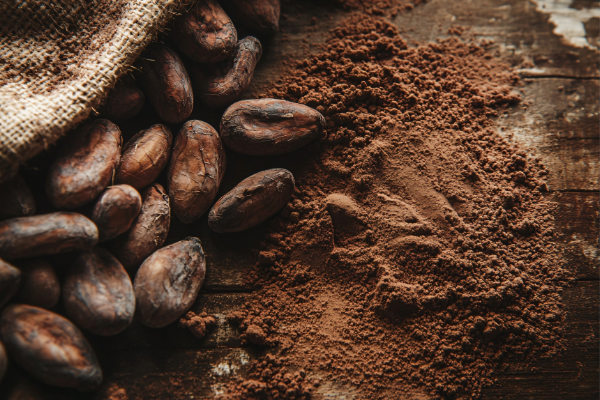
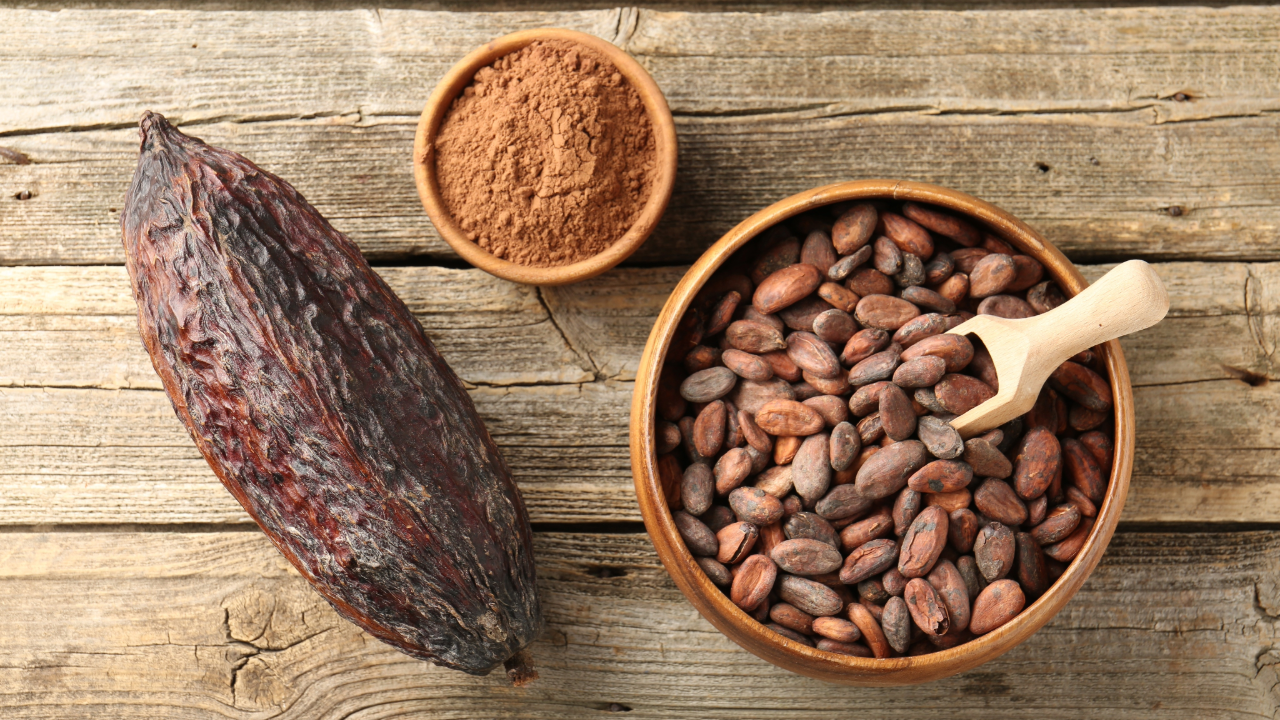
Cocoa beans and cocoa powder
What Actually Happened to Cocoa Prices
Between 2024 and 2025, cocoa prices reached historic highs due to a convergence of factors:
-
severe weather disruption in West Africa
-
widespread crop disease affecting yields
-
depleted global stock levels
-
increased speculative pressure on futures markets
These conditions created genuine supply stress and forced sharp price increases across chocolate, cocoa powder, and couverture.
Since then, the market has shifted.
Improved harvest forecasts, increased output from non-traditional producing regions, and easing speculative pressure have caused prices to fall back from peak levels. However, they have not returned to pre-2023 norms.
Cocoa now operates at a higher baseline cost — and remains exposed to climate volatility.
Why Cocoa Still Feels “Expensive” for Bakers
Many bakers are confused by mixed messaging: prices are “down,” yet invoices remain high.
This is because:
-
supply chains locked in higher-cost contracts
-
manufacturers adjusted pricing structures permanently
-
volatility risk is now priced into cocoa products
-
energy, labour, and transport costs compound ingredient increases
In other words, cocoa is no longer cheap by default — and likely won’t be again.
For food businesses, the mistake is treating this as a passing inconvenience rather than a structural change.
The Real Risk: Weak Ingredient Strategy
The businesses most affected by cocoa pricing are not those using premium chocolate.
They are those with:
-
cocoa-heavy menus
-
poorly controlled portioning
-
low pricing confidence
-
products built on thin margins
-
no buffer for ingredient fluctuation
Raising prices alone rarely solves this. Without structural clarity, price increases simply increase resistance.
Cocoa volatility exposes weak systems — it does not create them.
What Smart Food Businesses Are Doing Instead
Strong operators are responding in three ways:
1. Reducing Cocoa Dependence, Not Quality
This does not mean removing chocolate — it means using it deliberately.
-
fewer cocoa-dominant SKUs
-
tighter portion control
-
better contrast with fruit, dairy, or nut components
-
products designed for flavour impact, not volume
Menus built around restraint and balance are far more resilient under ingredient volatility. As explored in Why Quality Over Quantity Is the Only Viable Model for Modern Pâtisserie, flavour intensity, portion discipline, and ingredient focus matter more than volume — especially when base costs rise.
2. Designing Menus That Absorb Volatility
Menus built around restraint and balance are far more resilient.
As explored in Why Quality Over Quantity Is the Only Viable Model for Modern Pâtisserie, ingredient intensity matters more than ingredient volume — especially when costs rise.
3. Treating Ingredients as Commercial Decisions
Chocolate choice, cocoa percentage, and application are no longer aesthetic decisions.
They are pricing, margin, and positioning decisions.
Businesses that understand this adapt calmly. Those that don’t remain reactive.
Why This Matters Beyond Cocoa
Cocoa is not unique.
It is simply the most visible example of a broader shift:
-
climate instability
-
ingredient price volatility
-
pressure on margins
-
reduced tolerance for waste
The future belongs to food businesses with:
-
disciplined menus
-
clear positioning
-
ingredient restraint
-
systems built for consistency, not excess
Cocoa pricing did not break baking businesses.
It revealed which ones were already fragile.
Final Perspective
Cocoa is no longer a cheap ingredient you “make work.”
It is a premium input that demands intention.
Food businesses that understand this will continue to operate profitably, confidently, and with integrity — even as markets fluctuate.
Those that don’t will keep chasing solutions at the wrong end of the problem.
Read The Baking Standard
Editorial guidance for bakers and food founders who care about technique, ingredients, and long-term credibility.
Unsubscribe anytime.
About The Author