Why Quality Over Quantity Is the Only Viable Model for Modern Pâtisserie

The pressure to produce more, bigger, and cheaper has quietly eroded standards across much of the baking and pastry industry.
In cafés and bakeries, excess has become a substitute for judgement: oversized portions, bloated menus, heavy reliance on ultra-processed ingredients, and visual impact standing in for flavour and restraint.
This is not a creative issue.
It is a commercial one.
Quality-first baking is not about aesthetics or ideology. It is about repeatability, cost control, customer satisfaction, and long-term reputation. Smaller, well-considered products outperform oversized, compromised ones because they deliver consistency, reduce waste, and build trust.
Operators who understand this are not baking less — they are baking better, with clearer systems and stronger margins.
Why Bigger Isn’t Better (and Never Was)
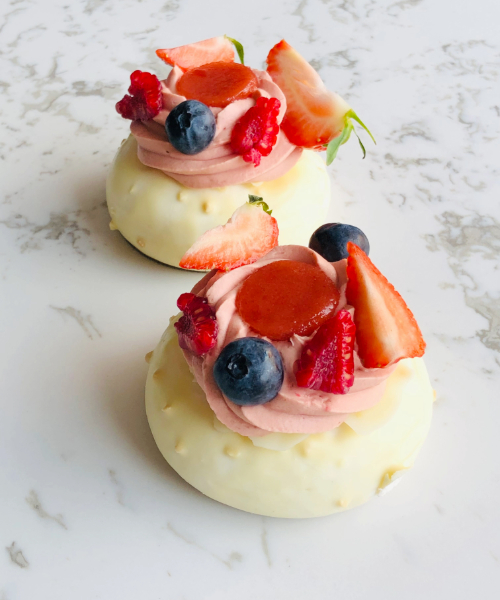
Meringue dipped in Valrhona Ivoire white chocolate, topped with raspberry chantilly, strawberry jelly, and fresh summer berries.
In many food businesses, portion size has quietly crept upward under the assumption that more equals better value. In practice, the opposite is often true.
Oversized desserts require:
-
more ingredients
-
longer production time
-
higher risk of inconsistency
-
greater waste
-
heavier flavour profiles that fatigue the palate
The result is a product that looks impressive but fails to deliver repeatable satisfaction.
A smaller, carefully balanced dessert made with proper butter, real chocolate, and controlled sweetness offers a more memorable experience — and one that customers are more likely to return for.
From an operational perspective, restraint improves:
-
portion control
-
production predictability
-
plating consistency
-
customer trust
Excess does not signal generosity.
It signals lack of control.
What High-Standard Food Cultures Understand About Restraint
Some food cultures maintain high standards not through excess, but through discipline, repetition, and clear quality thresholds.
The commercial lesson here is not cultural imitation.
It is structural thinking.
High-standard food environments tend to prioritise:
-
smaller portions with defined flavour profiles
-
seasonal, high-quality raw materials
-
menus built around mastery rather than novelty
-
consistency over visual excess
For pâtisserie operators, this translates to:
-
fewer products executed exceptionally well
-
ingredients chosen for flavour contribution, not price per kilo
-
portion sizes designed to satisfy, not overwhelm
-
systems that prioritise repeatability over improvisation
Restraint is not minimalism.
It is precision.

Valrhona Chocolate
The Hidden Cost of Ultra-Processed Baking Trends
Ultra-processed baking shortcuts are often justified as efficient or cost-effective. In reality, they quietly undermine both flavour and profitability.
Hydrogenated fats, compound coatings, artificial flavourings, and stabilised spreads dull the palate and flatten complexity. Over time, customers become accustomed to blunt sweetness and require larger portions to feel satisfied.
From a business perspective, this creates a cycle of:
-
increasing portion size
-
rising ingredient usage
-
declining perceived quality
-
reduced brand distinction
Quality ingredients cost more upfront, but they reduce:
-
over-portioning
-
flavour compensation
-
waste
-
customer dissatisfaction
The true metric is not cost per kilo.
It is cost per satisfied customer.
Building a Quality-First Pastry Pantry
Quality-first baking does not require endless ingredients. It requires disciplined selection.
A professional pastry pantry prioritises:
-
cultured, unsalted butter with sufficient fat content
-
flours chosen for flavour and structure, not convenience
-
real chocolate with appropriate cocoa butter levels
-
sugars that contribute depth rather than blunt sweetness
-
seasonal fruit used intentionally and preserved properly
-
natural flavour sources handled with restraint
This approach:
-
simplifies production
-
improves consistency
-
reduces waste
-
strengthens brand identity
A smaller, intentional ingredient list supports both quality and margin.
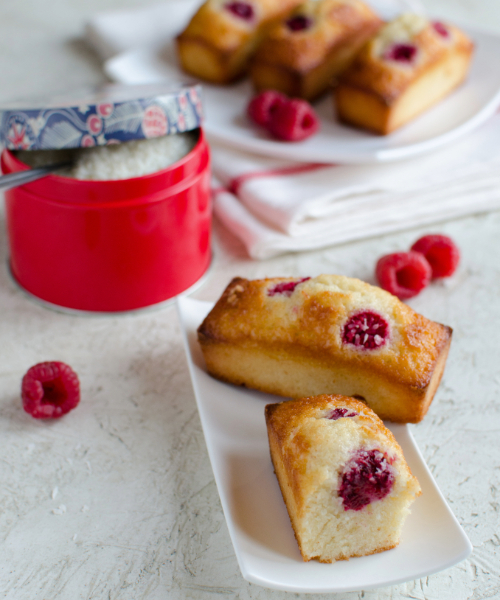
Raspberry Financiers
What This Means in Practice for Cafés and Bakeries
For operators, quality over quantity is not a philosophy.
It is a system.
In practice, it means:
-
designing desserts around flavour balance rather than size
-
controlling portion weights consistently
-
reducing menu breadth to improve execution
-
choosing ingredients that perform reliably under service conditions
-
valuing customer memory over immediate visual impact
Customers rarely remember how large a dessert was.
They remember how it tasted — and whether they trust you to deliver that experience again.
Quality Is No Longer Optional
Quality-first pâtisserie is not about doing less work.
It is about making fewer, better decisions — and standing by them.
Businesses that prioritise restraint, ingredient integrity, and proportion build trust quietly and sustainably. Those that rely on excess and visual overload rarely do.
In an industry under increasing pressure, quality is no longer a differentiator.
It is the baseline.
Read The Baking Standard
Editorial guidance for bakers and food founders who care about technique, ingredients, and long-term credibility.
Unsubscribe anytime.
About The Author